

Employee Testimonials: How to Attract Talent with Authentic Videos
Employee video testimonials strengthen your employer brand. Learn how to use authentic stories for recruitment and why it works.
Why Employee Testimonials Are Indispensable in 2025-2026
In a job market where 53% of vacancies are difficult to fill, traditional recruitment methods are no longer sufficient. Candidates distrust generic job descriptions full of clichés like 'dynamic team' or 'challenging projects'. They are looking for concrete, authentic insights into what it's really like to work at your organization.
This is where employee testimonials come in. These videos, in which current employees share their experiences, are the most powerful form of social proof in recruitment. They give candidates the confidence they need to take the step towards an application.
In this article, you will discover why employee testimonials are so effective, what trends are at play in 2025-2026, and how to create authentic stories with video that attract talent.

The Power of Authenticity: Why Candidates Want to Hear Real Stories
The psychological principle of social proof underlies the effectiveness of employee testimonials. People trust the experiences of others more than the company's own marketing messages. Research shows that 98% of consumers read online reviews before making a decision – and this applies equally to job applicants.
An employee who talks about a specific project, the work atmosphere, or career opportunities is up to 3 times more credible than an HR text full of abstract claims. Video adds an extra layer to this: candidates see the emotions, body language, and sincerity of the speaker, which further increases reliability.
Moreover, video creates recognition. Potential applicants see people like themselves, talking about their challenges and how the organization has helped them grow. This creates an emotional connection that text alone can never achieve.
Employee Testimonials in Numbers

Trends in Employee Testimonials: What Works in 2025-2026?
1. Hyper-personalization: From Mass to Customization
Personalization is no longer a luxury in 2026, but a requirement. This doesn't mean you create a unique video for every candidate, but rather that you use testimonials strategically. Think of videos where an employee from a specific department explains why that particular position is interesting, or where someone with a similar background to the candidate shares their story.
2. Video as Standard, Not an Extra
Although in 2025 only 15% of employers used video for vacancies, this is changing. Video is no longer a part of communication – it is communication. A 'day in the life' video of 30 to 45 seconds can make a vacancy tangible and significantly increase candidate engagement.
3. Social Media First: Optimize for LinkedIn, Instagram, and TikTok
Platforms like LinkedIn and Instagram want to keep users within their own environment. Successful organizations share employee testimonials directly on these channels, instead of always redirecting to the website. This significantly increases reach and impact.
4. AI Support: Faster and More Accessible
AI tools make video production more accessible than ever. From script optimization to generating subtitles – technology helps to produce quality testimonials faster. This means that even organizations with limited resources can benefit from the power of video.
The Business Benefits of Employee Testimonials
Strengthening Your Employer Brand
Provide a realistic picture of your company culture and work environment. Employees who recommend the company to new colleagues give your employer branding a huge boost.
Higher Visibility in Search Engines
Websites with video content keep visitors engaged longer. Google rewards this with higher positions in search results, leading to more organic traffic and applications.
Faster Trust Building
By telling authentic stories and showing emotions, you build trust faster. Candidates want to know who they are dealing with – testimonials provide this insight.
How to Create Effective Employee Testimonials?
Select the Right Employees
Choose employees who are authentic and enthusiastic. Diversity is important: ensure a variety of roles, departments, and backgrounds.
Prepare Questions That Elicit Natural Answers
Avoid yes/no questions. Ask for concrete examples, challenges, and personal growth. This yields authentic stories.
Film On-Location for Extra Credibility
Show the work environment. This gives candidates a feel for the atmosphere and makes the testimonial much stronger than a studio recording.
Combine Interviews with B-roll Footage
Alternate the interview with footage of the team at work, the office environment, or projects. This keeps the video dynamic and interesting.
Create Different Lengths for Different Channels
Create a long version (2-3 minutes) for your website and short snippets (15-45 seconds) for social media. This maximizes your reach.
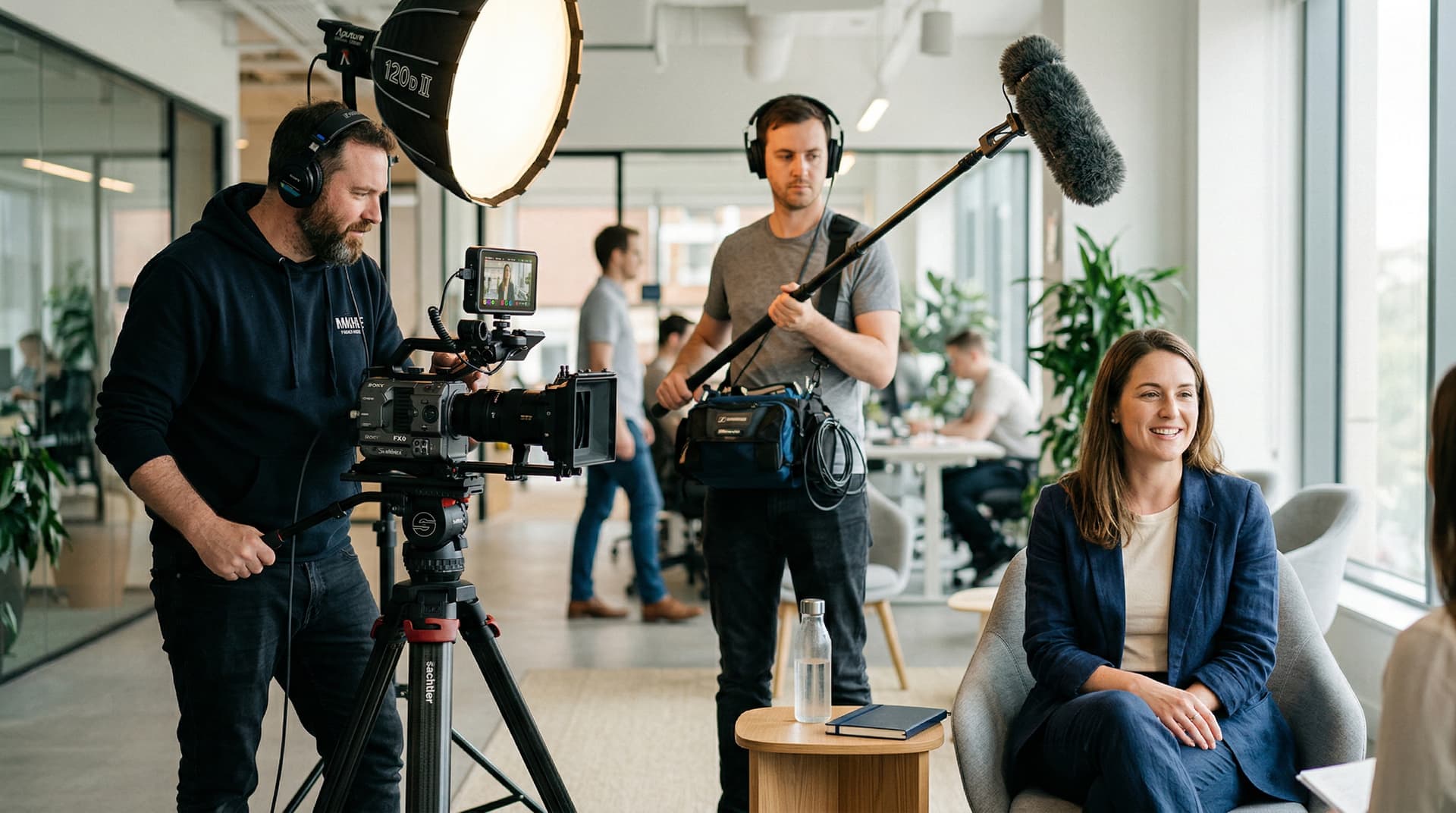
Why Video Production Makes the Difference
Written testimonials are valuable, but video takes them to a higher level. Here are the main reasons why:
- Emotional Connection: Video shows emotions, body language, and sincerity. This creates a much stronger bond with the viewer than text alone.
- Higher Engagement: Videos are shared on average 1200% more often than text and images combined. This greatly expands your reach.
- Lower Threshold: A video literally gives a face to your organization. This lowers the barrier for candidates to contact or apply.
- Longer Visit Duration: Visitors stay on average 2 times longer on a page with video, which is a positive signal for search engines.
Professional video production ensures that your testimonials not only look good but also convey the right message. From asking the right questions to editing a compelling final result – every step contributes to the impact.
Want to know more about how to use video for recruitment? Check out our page on video production or discover how a corporate film can strengthen your organization.
Examples of Successful Applications
Employee testimonials are versatile. Here are some concrete applications that organizations are successfully using in 2025-2026:
Recruitment Campaigns
A medium-sized B2B company used a series of 5 short testimonials on LinkedIn, in which employees from different departments shared their stories. The result: 42% more applications within two months and a significantly higher quality of candidates.
Onboarding New Employees
A provincial government used testimonials as part of the onboarding process. New employees watch videos in their first week of colleagues talking about the organizational culture and giving tips for a good start. This accelerated integration and increased engagement.
Employer Branding at Career Fairs
An event organization showed a compilation of employee testimonials on a large screen during a career fair. This attracted more visitors to the booth than traditional presentations and led to valuable conversations with potential talent.
Internal Communication
Testimonials are not only valuable externally. Organizations also use them internally to celebrate successes, strengthen culture, and inspire employees. This increases the pride and engagement of the current team.
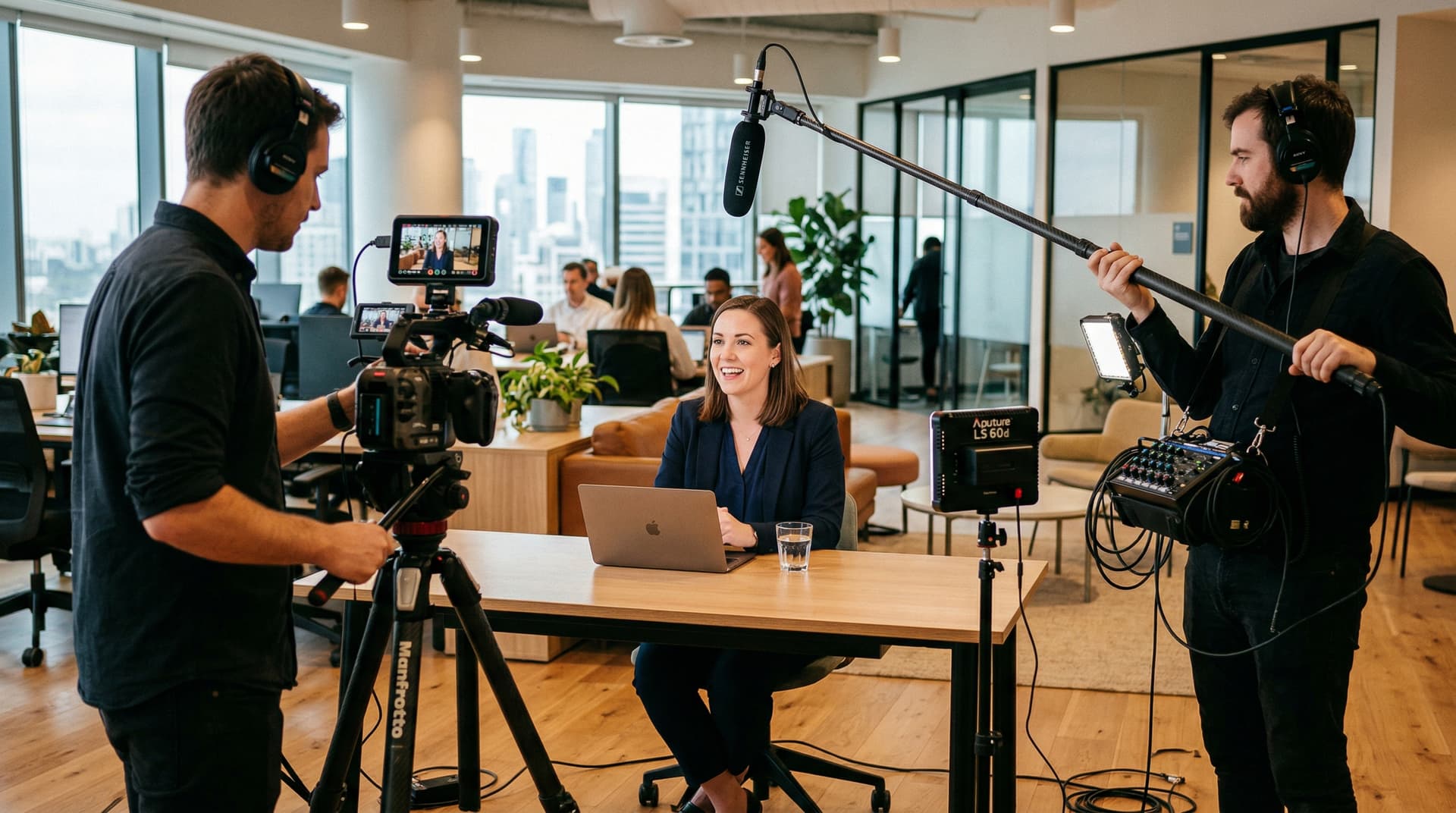
The ROI of Employee Testimonials: An Investment That Pays for Itself
A frequently asked question is: what does it yield? The Return on Investment (ROI) of employee testimonials is measurable and often surprisingly high:
- Lower Recruitment Costs: Vacancies with video attract 34% more applications, meaning you have to invest less in paid advertisements or recruitment agencies.
- Shorter Time-to-Hire: Candidates who have seen a testimonial are better informed and more motivated. This speeds up the recruitment process.
- Higher Retention: Employees attracted through authentic testimonials have a more realistic view of the organization. This leads to fewer disappointments and lower turnover.
- Improved SEO: Videos on your website improve your position in search engines, leading to more organic traffic. This effect continues for years.
On average, an investment in professional employee testimonials pays for itself within 6-12 months, purely through lower recruitment costs and higher conversion.
Frequently Asked Questions about Employee Testimonials
The Future of Employee Testimonials: What's Coming?
The trends in employee testimonials are developing rapidly. Here are some developments we expect in the coming years:
Interactive Videos
Candidates will soon be able to choose which employee they want to hear from, from which department, or about which topic. This makes testimonials even more personal and relevant.
Virtual Reality (VR) Experiences
Some progressive organizations are already experimenting with VR, where candidates 'walk a day' through a 360-degree video. This provides an even more realistic picture of the work environment.
Live Testimonials
Through livestreams, candidates can ask employees questions in real-time. This combines the authenticity of testimonials with the interactivity of a Q&A session.
AI-generated Summaries
AI will soon be able to automatically extract the most important quotes from testimonials and convert them into short, optimized clips for different channels. This makes production even more efficient.
What else is changing: candidate expectations. In 2026, having employee testimonials will no longer be a unique selling point, but a basic requirement. Organizations that do not have this will fall behind.

Ready to Strengthen Your Employer Brand with Authentic Videos?
At VidéPro, we help organizations create powerful employee testimonials that attract talent and build trust. From strategy to final editing – we guide you every step of the way. Curious about what we can do for you?
Contact us